
Twelve years. That's how long Steelcase backs its chairs with a warranty — longer than most people keep the desk underneath one, and long enough that I did a double take the first time a showroom rep said it out loud. I lead with that number because it's tangled up in the biggest myth running through Steelcase chair reviews and ergonomic seating circles alike: that the right brand name fixes shoulder and neck pain on its own, no matter what the rest of your home office setup looks like. It doesn't. Not without fit work most buying guides skip entirely.
Quick disclosure before we get into it: a few of the chair links below are affiliate-tracked, and I earn a commission if you buy through one, at no extra cost to you. I've sat in most of these chairs myself and read through the warranty fine print on each — nothing here is a paid placement, just five years of trial and error with my own shoulders.
The Myth: A Steelcase Chair Fixes Shoulder and Neck Pain on Its Own
The myth shows up everywhere from Amazon reviews to Reddit threads: buy the expensive chair, wait for your shoulders to loosen on their own, get annoyed when nothing changes. Before I owned anything higher-end, I fell for the opposite version of the same trap — a mesh task chair from Amazon that looked nearly identical to chairs costing several times more, at least in the product photos. It started sagging within a couple of months, the lower-back support caving in until sitting in it felt like leaning into a hammock, and by then I'd already decided the problem must be my own posture.
None of that was really about the brand. It was about the dozen small adjustment points that determine whether a chair fits a specific body, and a twelve-year warranty is really a signal that the mechanism underneath the upholstery was built to be adjusted for a decade instead of falling apart after a year of daily use — not proof the chair will work for you straight out of the box.
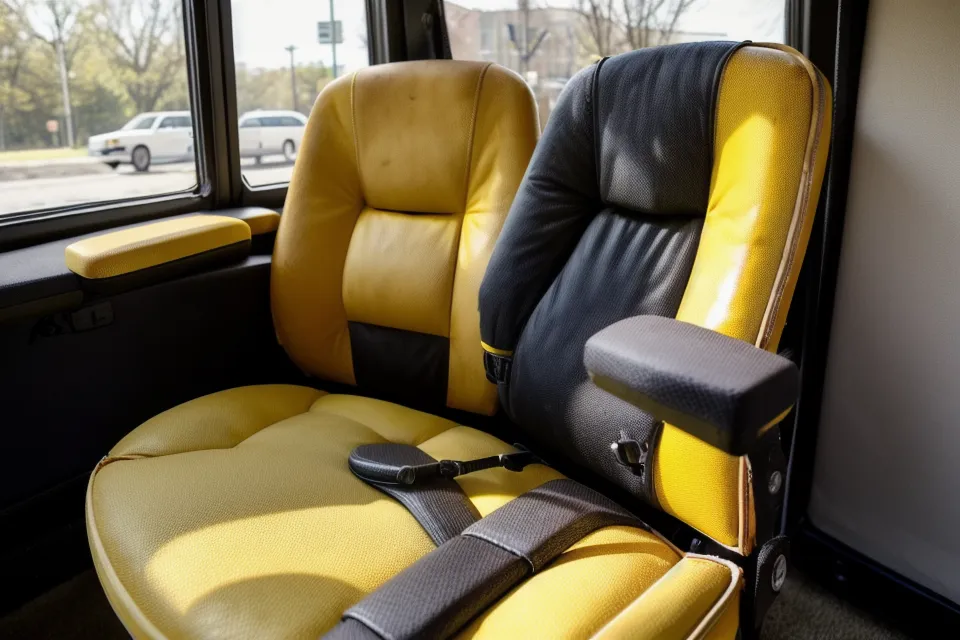
What Actually Determines Whether It Works?
Fit is the boring answer, but it's the accurate one. A reader named Destiny Hawkins emailed me a while back pointing out that most "best ergonomic chair" roundups assume a torso over five-foot-eight, and that's exactly where fitting a chair to a smaller frame stops being a footnote and starts being the whole decision. She's also the kind of reader who circles back months later — her last email confirmed the mechanism on her chair was still tight and wobble-free, holding up the way the warranty promised it would.
Armrest configuration is the other piece of the puzzle — whether they move inward toward your torso and not just up and down — though that's deep enough to deserve its own write-up rather than a paragraph here. Seat depth adjustment matters in a similar quiet way: whether the pan slides to match shorter or longer thighs instead of assuming one proportion fits everyone. And lumbar support, the factor every single office-chair review already leads with, still matters — I just won't rehash it here since it's been covered to death elsewhere.
When I actually sat in the Steelcase lineup at a showroom instead of trusting product photos, the difference showed up immediately in how each of those adjustment points moved independently rather than as one fixed unit.
If the aesthetics matter to you as much as the adjustability, I'd point you toward my Branch Verve Review — a different-looking chair that covers a lot of the same fit fundamentals. For shoulder and neck pain specifically, though, the Steelcase engineering keeps winning in my own testing, mostly because of how many of those small adjustment points are actually independent of each other instead of locked together.
Recline Tension, Monitor Height, and the Rest of the Fit Checklist
Recline tension calibration is what nobody warns you about when you upgrade from a stiff, cheap chair — the softer and more responsive the recline, the more your eye line drifts down toward the desk instead of staying level with the screen. Monitor eye level positioning has to shift to match, which sounds like a footnote until you're jutting your chin forward to compensate and building a whole new kind of neck tension on top of the one you were trying to fix.
The fix, once I caught it, was almost embarrassingly small: raising the monitor a couple of inches so my sightline matched the new, more supported posture instead of the old hunched-forward one. The tension at the base of my skull didn't ease up until that one adjustment was made — the chair alone hadn't been enough.
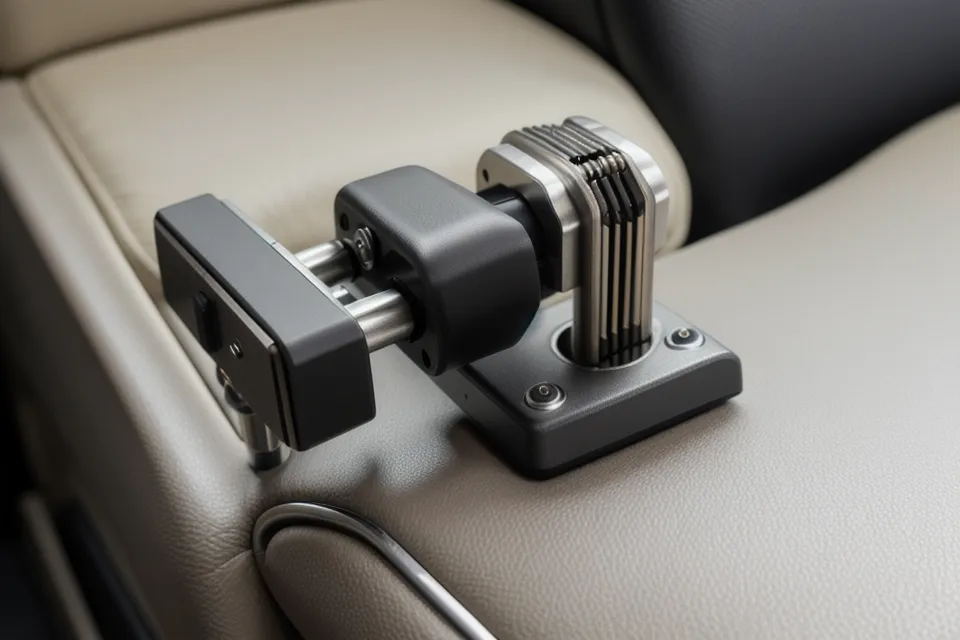
Picking Between the Amia, Karman, and Series 2
For shoulder and neck focus specifically, the Steelcase Amia has been the steadiest pick in my own rotation — nothing flashy, just consistent back support day after day. Seat suspension material is where the Steelcase Karman pulls ahead for anyone in a hot climate, since it swaps fabric for mesh and doesn't turn into a sauna by mid-afternoon the way my old chairs did through a Raleigh summer.
The Steelcase Series 2 is the budget-conscious entry point of the three, and it's exactly the kind of price-versus-durability calculation the whole category asks you to make — it carries the same core LiveBack mechanism as the pricier models, just without every adjustment point maxed out. Even the step up in armrests wasn't flawless on my unit: the pneumatic cylinder felt noticeably softer than I expected for the first few weeks, before it settled in and firmed up the way it was supposed to.
The Same Lesson Shows Up With Rugs and Sofas
That same durability logic shows up one room over, in furniture that has nothing to do with sitting at a desk. A washable rug's wash rating is the whole reason I trust one under a home office desk with a toddler wandering through — pay a bit more up front for the wash-it-yourself system, and a spill doesn't end the rug's life the way it would with something you'd have to send out for cleaning. Reconfigurable, modular furniture is the sofa-world version of the same idea: pieces you can rearrange instead of replacing the whole thing once a kid claims one corner of it permanently.
Beyond the Chair: The Rest of the Home Office Setup
A chair alone can't fix everything, and I try to remember that before I blame the furniture for problems that are really about habits. Keeping my knees close to a right angle, feet flat on the floor, and my face out of the camera-lean during video calls does more than people expect — no chair engineering cancels out three hours of craning toward a laptop screen.
The height range on a standing desk is the other half of the puzzle nobody separates from the chair conversation, even though it's really its own decision. My neighbor Jacinda finally bought a standing desk the week after she threw her back out carrying in groceries, and the height range on the one she picked ended up mattering almost as much as which chair she paired it with — too narrow a range, and you're back to hunching, just standing up while you do it.

So Which Chair Actually Fixes the Problem?
None of this replaces an actual medical opinion — if shoulder or neck pain has stuck around for months, a physician or physical therapist should be the one calling the shot, not a furniture review. But for the everyday tightness that comes from a bad setup rather than an underlying issue, my answer is unglamorous: match the chair's adjustment points to your actual body, then fix the monitor and desk height around it, and only after that ask which brand's warranty you trust most. For anyone weighing a different kind of chronic pain entirely, I've also written about why the Herman Miller Embody is best for chronic lower back pain — a genuinely different problem than the shoulder-and-neck tightness this piece is about.
These days, when we get back from a loop around Pullen Park in the evening and my son climbs onto my lap for one more book before bed, I can stand back up and carry him to his room without that sharp pull between my shoulder blades that used to catch me every time. That's the actual test I trust more than any spec sheet — not a showroom sit, not a spec sheet's promise, just whether my body still feels like my own at the end of an ordinary day.
If your shoulders are doing that same creeping climb toward your ears by mid-afternoon, it's worth working through the adjustment checklist before you buy anything new — and if the chair turns out to be the actual gap, the Steelcase lineup is where I'd start looking, specifically the models built around that flexing LiveBack mechanism rather than a fixed board of a backrest. Take a look at the current Steelcase options and see which adjustment range actually matches your frame, not just your budget.