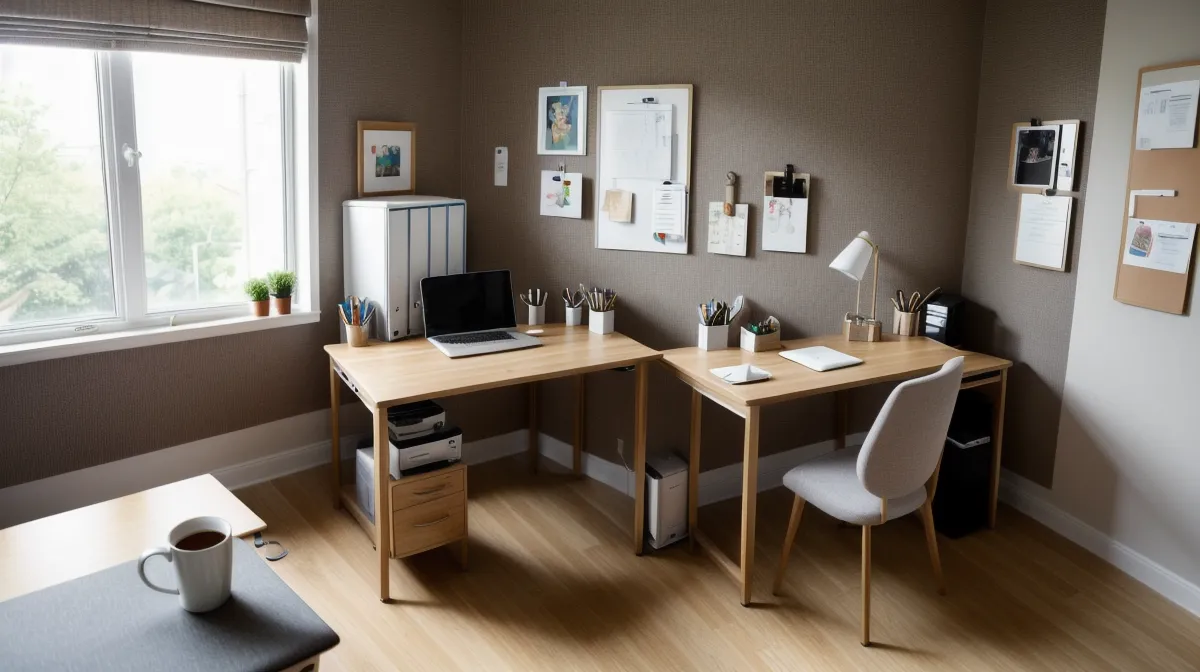
Late one Friday afternoon, standing up from my desk felt like prying rusty hinges apart. Deep, grinding hip stiffness had seized my lower back after six back-to-back client video calls, leaving me hunched over like an uncoiled paperclip. My instinct was simple: I needed real padding, not the hard plastic edges of another cheap task seat.
Before getting into what actually worked, a quick note up front: links to chairs and furniture brands here are affiliate-tracked. If you order through one, I earn a commission on the sale, at no extra cost to you. Every piece mentioned here is something I’ve personally lived with, tested in my home office, or returned after testing—nothing on this page is a paid placement. If you are shopping right now, taking a look at Herman Miller's task lineup or the flexible backrests from Steelcase will give you an immediate baseline for what real lumbar stability feels like.
The Plush Cushion Trap: Why Pillowy Leather Doesn't Save Your Hips
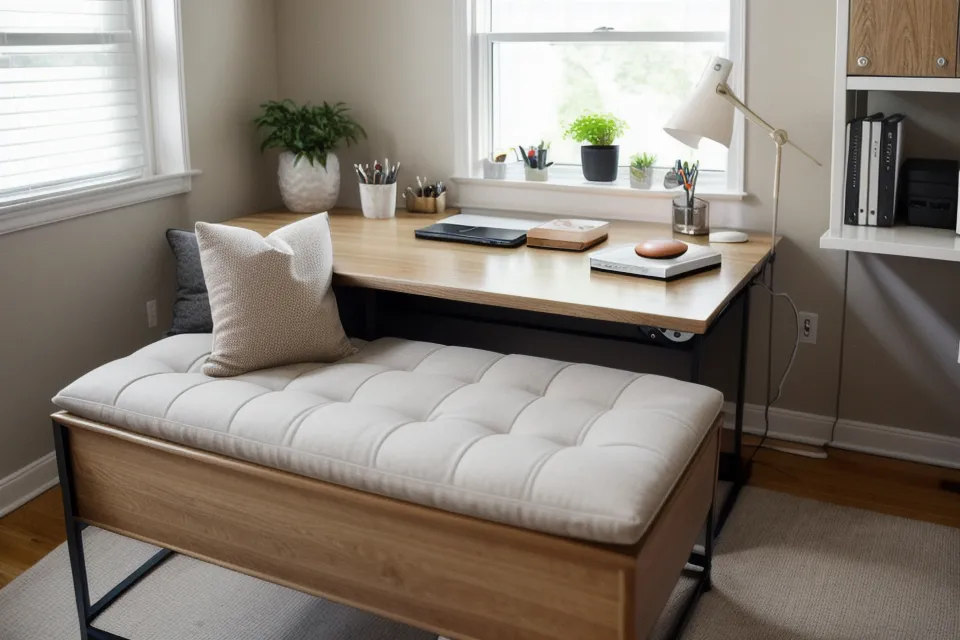
In late February, thinking pillowy comfort was the missing link for my aching hips, I started digging into thick executive seating—specifically the plush, deep-cushioned lineup from La-Z-Boy office chairs. Anyone who has ever collapsed into one of their living room recliners knows the appeal. It feels like sinking into a warm bath. But sitting down for an hour to watch a movie is worlds apart from sitting for eight hours while frantically editing spreadsheets and fielding client Slack pings.
After about three weeks of working in a heavily padded executive chair, my hip pain didn’t vanish—it actually got sharper. To be fair, I am a freelance content strategist, not an ergonomics specialist or physical therapist. If your joints are throbbing, please go talk to an actual doctor or physical therapist rather than taking furniture reviews as medical gospel. But here is what I discovered about the mechanics of deep padding: when you sink into several inches of soft foam, your pelvis rotates backward. In plain English, your butt drops lower than your thighs, flattening your spine’s natural curve and pinching your hip flexors tight all day long.
Ergonomic guidelines from groups like OSHA suggest keeping an open hip angle—somewhere around 90 to 100 degrees, with your thighs resting roughly parallel to the floor or angled slightly downward. When a chair’s seat pan sags under your body weight, your hip joints end up flexed beyond a right angle for hours on end. It turns out that plush leather executive seating feels luxurious for the first twenty minutes, but long-haul support requires firm, deliberate resistance that prevents your pelvis from tucking under.
The Real Tradeoff: Reclining Comfort vs. Room to Breathe
When you start cross-shopping executive seating against dedicated ergonomic task chairs, you quickly run into a physical compromise that most glossy furniture ads leave out entirely. Higher-end reclining mechanisms offer superior pressure distribution for long-term comfort, but they require significantly more physical desk footprint than standard pneumatic height-adjustable models. If you are tucking a workstation into a spare bedroom corner, this matters tremendously.
A heavy-duty recliner-style executive chair features a massive base casting, wide padded armrests, and a backrest designed to swing deep backward into empty space. In my home office, rolling one of these around meant constantly banging into my bookshelf and having zero clearance behind me. Standard ANSI/BIFMA certified task chairs usually stick to a seat height adjustment range of about 16 to 21 inches and keep their pivot point directly beneath your center of gravity. That tighter footprint lets you swivel, slide under a standard desktop, and adjust your posture without feeling like you parked an upholstered SUV next to your keyboard.
If you have tight quarters, looking into where to place a standing desk in a small bedroom office can help you map out whether you even have room for a wide-bodied executive seat before buying one.
Testing Ergonomic Alternatives: What Actually Supported My Hips
Once I realized that soft foam was the enemy of open hip angles, I shifted my focus to seating designed to hold the pelvis upright. One humid afternoon in July, I sat down to compare how active lumbar systems and tension controls fared during a marathon writing sprint.
The difference was night and day when comparing thick executive padding to engineered task seating. On chairs featuring Herman Miller's PostureFit SL or Steelcase's LiveBack technology, the chair actually flexes and pushes forward at the base of the spine, keeping the pelvis from slumping backward into that dreaded hip-pinching bowl. That continuous counter-pressure keeps your hip flexors lengthened, even when you lean back slightly to take a call. If you've debated between modern dynamic backrests, reading up on Steelcase Gesture vs Leap for lower back pain after long shifts breaks down how different back designs handle shifting posture throughout the day.
Here is how the options shake out when you evaluate them for all-day hip and pelvic relief:
- Herman Miller: My top overall pick for hip relief. The PostureFit SL adjustment completely stabilised my lower pelvis, preventing the afternoon slump that leaves my hips feeling frozen. The elastomeric mesh seat distributes weight evenly across your sit bones without bottoming out against hard plastic. Plus, their 12-year warranty covers the gas cylinder, casters, and mesh. Just be prepared to spend a few days fine-tuning the tilt levers.
- Steelcase: An outstanding alternative if you prefer upholstered cushioning over mesh. The LiveBack mechanism naturally tracks spinal movement, while their optional headrest provides support that standard mesh chairs lack. Like Herman Miller, Steelcase backs their chairs with a 12-year warranty, though the fabric seat can run noticeably warmer on sticky summer afternoons.
- Branch: The best practical value if you want reliable daily ergonomics without spending an entire month's freelance retainer. While the lumbar dial feels less intricate than higher-end models, it offers the essential adjustments you need—tilt tension, seat slide, and height—with a solid 7-year warranty. You can read more about building out a cohesive setup in our breakdown of how to select Branch office furniture for a growing small business.
- Design Within Reach: A premium source for authentic, licensed design icons. If your office shares space with a formal sitting room and visual aesthetics are paramount, their curated seating hits exceptional standards, though shipping lead times can run longer than direct-to-consumer storefronts.
- Lovesac: While not an office task chair manufacturer, their modular seating plays a massive role in how I rest my joints outside work hours. Transitioning from a structured desk chair to a living-room setup with washable Sactional covers allows you to stretch out your hip flexors in an open lounge position without ruining your sofa cushions.
What Actually Held Up Over Seven Months
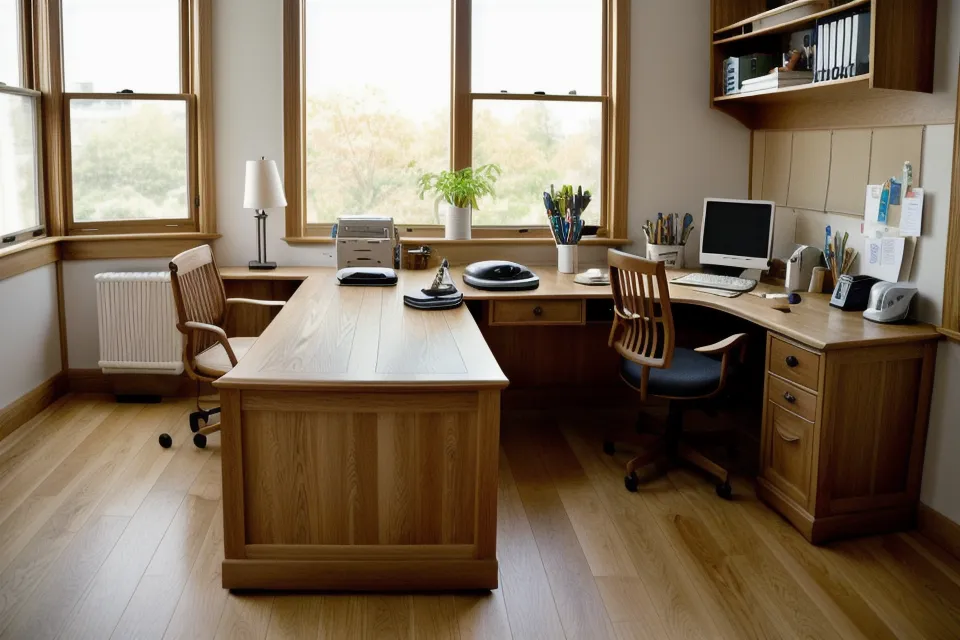
By late August, after rotating through these seating styles across seven months, the results were etched in how my joints felt at 5:00 PM. The plush, thick-padded executive approach simply didn't survive full 40-hour workweeks without creating secondary aches. While bonded leather and pillowy armrests look inviting in a catalog, the dense foam eventually compresses unevenly under your sit bones, exaggerating hip misalignment.
What held up was breathable suspension, precise forward tilt adjustments, and firm pelvic support. Chairs with responsive seat pans allowed me to open my hip angle beyond 90 degrees naturally, which immediately took the tension off my lower back. Current retail pricing and fabric configurations are always listed on each vendor's store page, and those can shift during seasonal sales—so it pays to check their listings directly when you are ready to upgrade.
Where I'd Skip Executive Padded Seating
I would firmly skip deep-padded executive chairs if your remote work involves hours of active typing, mouse navigation, and frequent desk reach. When your chair is overstuffed, reaching forward to your keyboard pulls your shoulders forward while your hips remain sunken, creating a hunchback posture that travels straight down your spine. Furthermore, bonded leather executive chairs trap body heat, which becomes miserable during humid summer days in a sun-facing home office.
If you only sit at your desk for thirty minutes to pay bills or write a quick personal email, a La-Z-Boy style executive seat is wonderfully cozy. But for remote professionals clocking 30 to 45 hours at a keyboard every week, an engineered task chair with dedicated pelvic support like Herman Miller or an accessible option from Branch will do far more to keep your hips moving freely when Friday finally rolls around.
| Product | Rating | |
|---|---|---|
| Herman Miller Top Pick for Hip Relief | 9.2 | Read More → |
| Steelcase | 8.9 | Read More → |
| Branch | 8.5 | Read More → |
| Design Within Reach | 8.2 | Read More → |
| Lovesac | 8.0 | Read More → |
Herman Miller
Pros
- + Twelve-year warranty covers gas cylinder, casters, and mesh
- + PostureFit SL adjustment holds pelvis upright through all-day video calls
- + Breathable mesh keeps hips cool and prevents painful pressure points
- + Smooth forward-tilt mechanics maintain open hip angles while typing
Cons
- ✘ Premium investment compared to standard box-store seating
- ✘ Tuning the various tension dials takes several workdays to dial in