
A cheap chair and a serious one fail you in opposite directions — one collapses under you within a year or two, the other just costs more than you want to admit before you even sit in it. I've owned both kinds now, enough to stop treating a desk chair like a disposable Target run and start treating ergonomic seating as a real home-office investment — which is the whole reason I finally caved and bought a Herman Miller, after years of learning the hard way what furniture durability actually looks like once lower back pain enters the picture.
Quick disclosure before we go further: some of the links below are affiliate ones, so if you buy through them I earn a small commission at no extra cost to you. I've tested, cursed at, and returned more furniture than I'd like to admit chasing something that survives a full remote-work-and-toddler household intact. None of that makes me a doctor or a physical therapist — if your back pain is the kind that's waking you up at night, please see an actual professional before taking advice from someone who blogs about chairs for a living.
The Cheap-Chair Cycle I Finally Broke
For a few years running, my process was the same: buy the cheapest option, stay comfortable for a season, then watch the foam collapse into something closer to a pancake than a cushion. The end of that cycle came during a call with a new client — I leaned over for a notebook and felt the pneumatic cylinder give out mid-sentence, dropping me low enough that I spent the rest of the meeting looking like I was peeking over the edge of a dinner table.
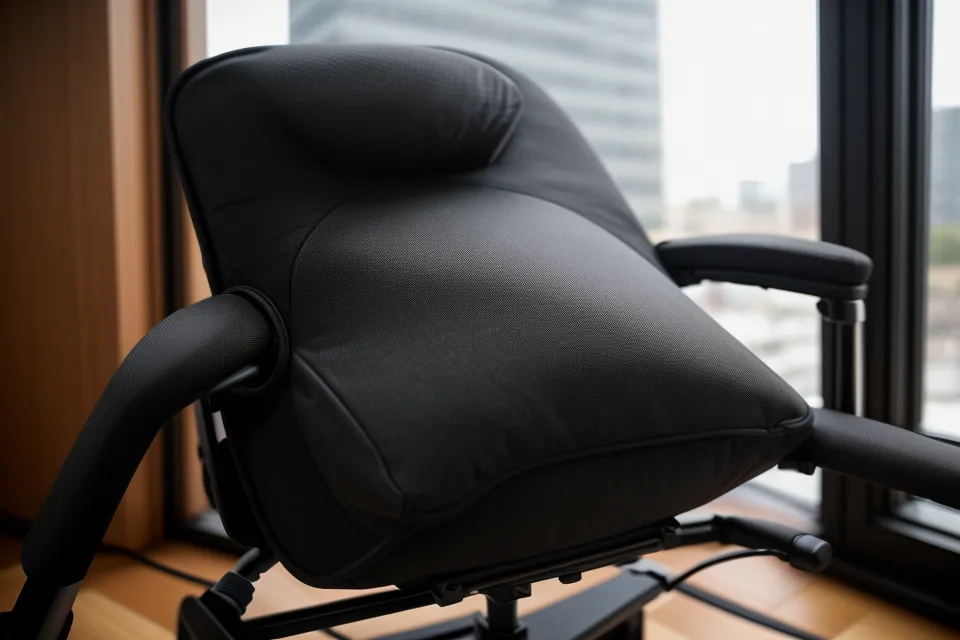
Before I spent real money on anything, I tried the free fixes first. A rotation of YouTube desk-stretch routines got the tightness to loosen for maybe twenty minutes at a time before it crept right back in, which told me the problem wasn't my hamstrings — it was a full workday in a chair that couldn't hold a posture longer than a nap. That's what sent me down a real ergonomics rabbit hole, specifically how a chair handles lumbar support instead of just stuffing a foam bump behind your spine and calling it done. That research is what put the Herman Miller Embody on my radar in the first place, once I stopped treating the price tag alone as a proxy for how long a chair would actually last.
What Is the Embody's Pixelated Support Actually Doing?
Picture a chair back covered in a fine grid instead of one solid pad, and you've got the idea. Herman Miller calls it a pixelated support matrix, and in practice it means the backrest reacts point by point as you shift, reaching for coffee, leaning back to think, hunching toward a spreadsheet, rather than pinning you into one "correct" position and hoping you stay there. It's built around supporting the lumbar vertebrae without pretending to be a substitute for an actual anatomy lesson; I'll leave that part to people more qualified than a content strategist with a chiropractor on speed dial. What I can tell you is what it feels like after a stretch of back-to-back calls: peel your shirt off and there's a faint checkerboard pressed into the fabric where the mesh was doing its job the whole time.
Naturally, I compared it against Steelcase, which earns its reputation honestly. The Gesture is a genuinely good chair, but its frame felt like it was gently pinning my shoulders in place, where the Embody's lack of a rigid frame let my shoulders float instead. Seat depth, armrest width, how much the recline tension can be dialed up or down before it feels like fighting a spring — all of it matters more than people expect, and I went deep enough on the differences that I wrote a whole separate comparison of the Steelcase Gesture vs Herman Miller Embody for Long Remote Workdays, seat suspension material included, if you want the nitty-gritty.

Making It Through the Break-In Period
Here's what nobody mentions about switching to a serious ergonomic chair: the first stretch can genuinely feel worse. Mine arrived and for several days straight I was sure I'd made an expensive mistake — the frame felt stiff, the adjustment knobs clacked in a way that was almost satisfying, and my back complained louder than it had in the old chair. Turns out a decade of sitting badly doesn't get corrected without some protest from the muscles that had adapted to bad posture.
Ten weeks in, I sat through a two-hour client Zoom and didn't shift my weight once — no repositioning, no sneaking a stretch off camera, nothing. I only clocked it afterward, scrolling back through the call in my head trying to remember when my lower back had gone from loud to quiet. That gap between "the chair feels alien" and "I forgot the chair exists" is the whole argument for sticking with the adjustment period instead of returning it in week one.
Durability Through the Toddler Years
Raleigh humidity turns most fabric chairs into a damp sponge by midsummer, so breathability mattered more than I expected. The mesh on the Embody keeps air moving even on the muggiest afternoons, which is more than I can say for the fabric option I almost bought instead. Then there's the toddler factor — my kid treats every piece of office furniture like playground equipment, and I've watched a flimsier chair tip sideways mid-climb. I wanted something rated to actually take that kind of abuse instead of a chair that's built to look good in a product photo and nothing else.
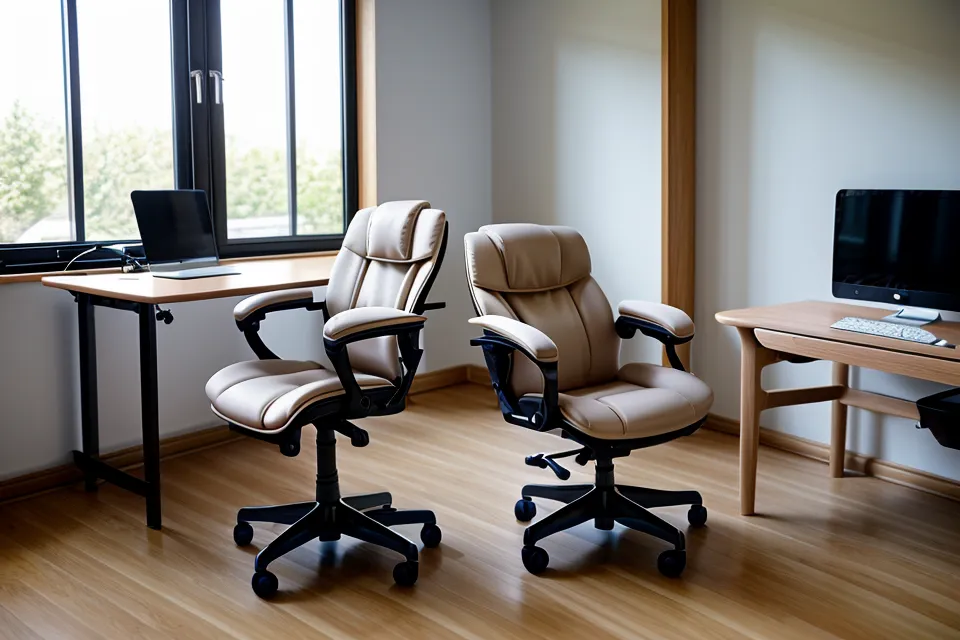
A neighbor who spends her weekends playing pickleball over at Millbrook Exchange Park asked me recently why I'd spend real money on a desk chair when a body in motion all weekend barely notices it — fair question, except she's not the one sitting still for a full workday between matches. Fit matters too: a chair that's actually sized to your frame does more for comfort than any adjustment lever will, which is worth remembering before you assume the priciest option is automatically right for your body. It's the same instinct that sent me toward Lovesac for the living room — modular pieces you can reconfigure when the kid claims a corner, and covers that unzip and wash instead of a couch you replace the second apple juice hits the cushion. I've started applying the same washability litmus test to rugs since, because a rug that can't survive a spill isn't worth the floor space it covers. Warranty length ended up being the detail I trust most as a durability signal, more than any spec sheet — a twelve-year warranty on the parts that actually fail beats a seven-year warranty on a Branch chair, or whatever shorter window a big-box brand quietly buries in the fine print.
Is the Embody Actually Worth the Adjustment?
If chronic lower back pain is the reason you dread sitting down at your desk, my honest answer is yes, it's worth it — with a caveat. A great chair doesn't fix a monitor sitting below eye level or a standing desk stuck at the wrong height range for your arms; I had to true up both before the Embody's support actually showed its full effect. Before committing, I drove out to test-sit a floor model near the North Hills shopping district, because no amount of online research replaces feeling the seat depth and lumbar curve against your actual spine for ten minutes. If your space or budget won't stretch that far, the Best Herman Miller Sayl Chair Features for Small Home Offices is a smaller, lighter alternative worth a look.
The Embody isn't a miracle cure — you still have to get up and walk around — but it's a tool that stops the daily bleeding instead of just numbing it for an afternoon. If long-term spinal health is the goal and you can handle a rough first week, Herman Miller is still the one I point people toward.
One thing stuck with me more than any spec sheet: the chair that fixes your back isn't the one that feels best in the first ten minutes in a showroom. It's the one that disappears underneath you weeks later, when you stop noticing you're sitting in it at all. That's the only test that matters, and it's the one most people skip because it takes longer than a quick decision to run.
Herman Miller
Pros
- + Twelve-year warranty covers the parts that actually fail like the gas cylinder
- + PostureFit SL adjustment held my lower back through full video-call marathons
- + Pixelated support matrix moves with your spine to prevent pressure buildup
Cons
- ✘ Up-front price is a real flinch even with the long-term math
- ✘ Takes about a workweek to dial in the finicky adjustment levers