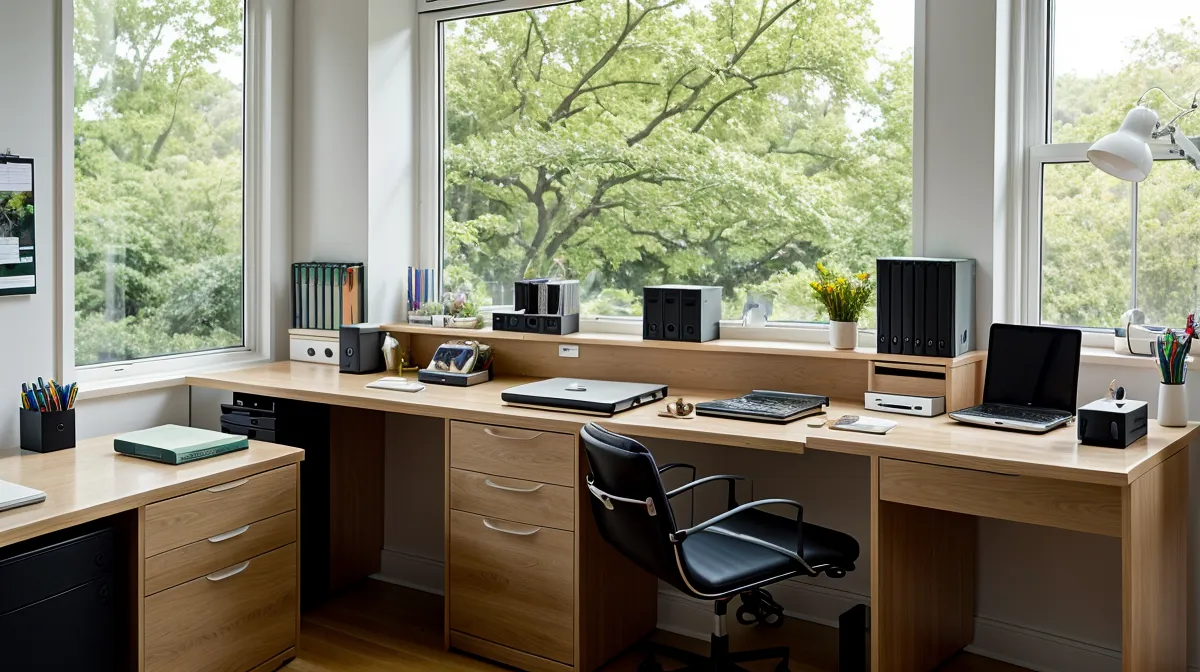
One Friday afternoon last autumn, I finished a client call and realized my shoulders were so locked up I couldn’t look over at my toddler without turning my entire torso. My neck felt like a piece of over-cured beef jerky. For a 38-year-old freelance content strategist in Raleigh, this was the final straw in a long, expensive cycle of 'budget' chair failures. I had been replacing a $150 seat every eighteen months, thinking I was being frugal, but my chiropractor’s bill was quickly proving that strategy wrong.
Quick heads-up before we dive in: the links you’ll see for these chairs and office setups are affiliate links. If you grab one, I earn a commission, which helps keep my Raleigh office running, but it doesn't cost you an extra dime. I’ve personally sat in, sweated through, or occasionally returned every brand mentioned here—no paid placements, just a lot of hours testing what actually survives a toddler and a forty-hour workweek.
The Raleigh Shoulder Lock-Up: Why I Finally Caved
Moving to full-time remote work in 2021 was great for my commute, but terrible for my spine. I’d spent years in Raleigh coffee shops or at the kitchen island, but once the work became 'all-day-every-day,' the cracks started to show. I tried everything to avoid spending 'real furniture' money. I even went through a phase of trying to fix my posture by stacking three different lumbar pillows on a cheap chair, only to have them slide out like a deck of cards mid-video call while I was explaining a content calendar to a very confused client.
I realized I needed a 'task chair'—or as I call it, the thing you actually sit in for the full workday—that didn't require a supplemental pillow fort. That’s when I started looking at the Steelcase Karman. I wanted something that wouldn't make me sweat during our humid North Carolina summers and wouldn't break the bank like some of the Design Within Reach options I’d been eyeing.

Unboxing a 29-Pound Solution
The Karman arrived in mid-November, and the first thing that shocked me was the weight. Most high-end ergonomic chairs feel like they’re made of cast iron and lead. But the Karman? It’s only 29 lbs. I’m used to struggling with furniture—like our Lovesac Sactional, which is the couch you can rearrange when the kid claims a corner but weighs a ton—so hauling a chair rated for a 350 lbs capacity up to my second-floor office by myself felt like a win before I even sat down.
Steelcase claims this chair is built to BIFMA 24/7 standards, which is basically the industry way of saying it’s rated for intensive, round-the-clock use. For me, that just means it’s built to survive me fidgeting through back-to-back Zoom calls without the frame cracking or the mesh sagging. After the first three weeks, the usual 'new chair' soreness never arrived. I was waiting for the adjustment period, but the weight-activated mechanism just... worked.
The Intermix Mesh: Not Your Average Lawn Chair
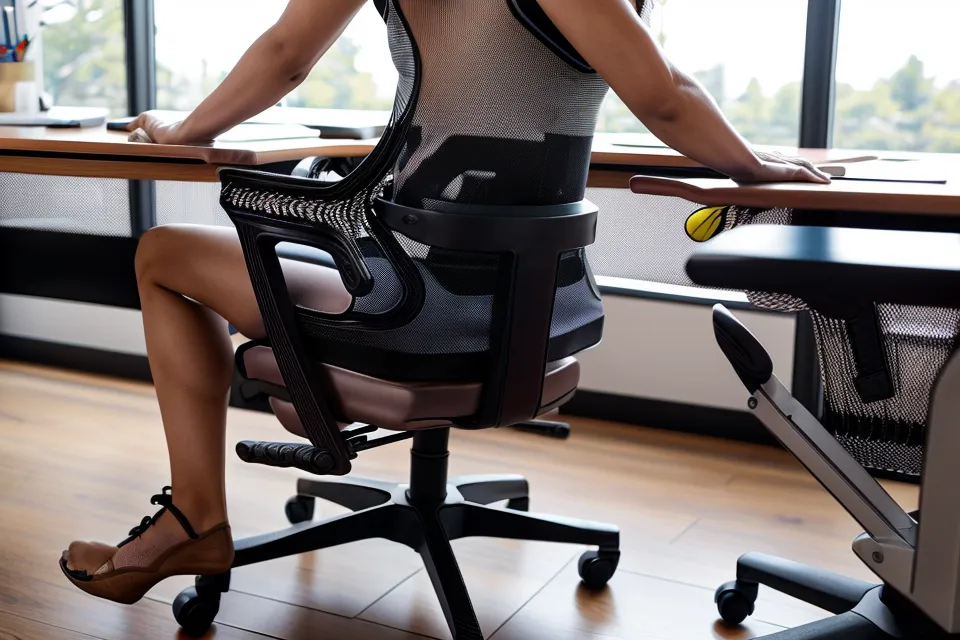
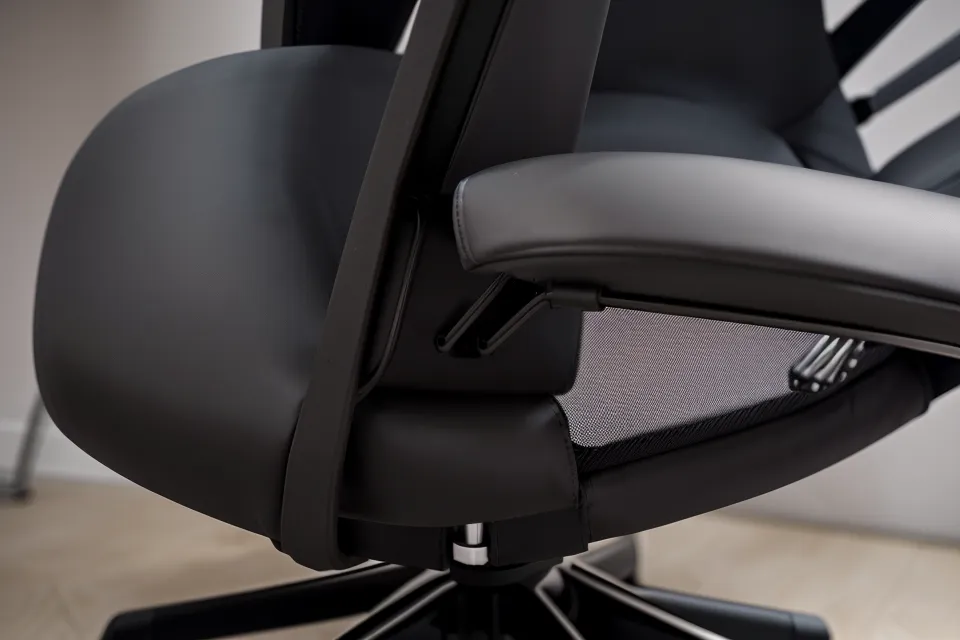
If you’ve sat in a cheap mesh chair, you know that 'cheese grater' feeling where the material is too rigid and eventually starts to sag in the middle. The Karman uses something called Intermix mesh. It has this cool, slightly textured feel against my back when the Raleigh sun hits my office window in the mid-afternoon. It’s flexible, not stiff.
This brings me to the measurable tradeoff: the flexible mesh frame provides superior long-term ergonomic posture support because it moves with you, but it offers less rigid structural stability than traditional foam-cushioned executive chairs. If you’re used to the 'armored tank' feel of a Herman Miller Aeron, the Karman might feel almost too light at first. But when I’m leaning over to grab a stray crayon or reaching for my coffee, that flexibility is exactly what keeps my shoulders from locking up. It’s less like sitting 'on' a chair and more like being suspended in a very supportive hammock.
Weight-Activated Tension vs. The Knob Jungle
One of my biggest gripes with high-end chairs is the 'knob jungle.' I don't want to spend my morning adjusting seventeen different levers just to feel comfortable. The Karman uses your own body mass to provide counter-tension. Whether I’m sitting upright for a strategy session or leaning back to read a long-form report, the chair adjusts the resistance automatically. It’s like budgeting a small kitchen appliance—you want the one with the smart sensor that does the thinking for you.
If you’ve looked into how to choose office chair lumbar support, you know that most chairs either give you too much or too little. The Karman’s 'LiveBack' tech flexes with your spine. I’ve found it much more reliable than the manual adjustments on the Steelcase Series 2, though that’s still a solid fallback if you’re on a tighter budget.
Surviving the July Humidity
Raleigh's average humidity in July often exceeds 70%, and my home office doesn't always get the best airflow. This is where the mesh really earned its keep. On one particularly humid afternoon in July, I spent six hours straight drafting content calendars. In my old fabric chair, I would have stood up with a damp back and a general sense of misery. With the Karman, I stayed completely cool.
I’m not a doctor or an ergonomics specialist—just a remote worker who’s tired of being in pain—but the breathability of this chair feels like a functional necessity rather than a luxury. It’s the same reason I prefer Branch for basic office needs, but for the 'big' chair, the Intermix tech is worth the extra spend. It’s held its shape perfectly through ten months of use, unlike the 'budget' mesh chairs that start to look like a used trampoline after a few months.
The Long-Term Math: 12 Years and 120,000 Cycles
It was about 5:00 PM on a Tuesday in early February when it hit me. I stood up to go start dinner, and for the first time in maybe three years, I didn't have to do that 'old man groan'—that specific sound you make when you have to manually unfold your spine. My back felt... fine. Just fine. And 'fine' is a miracle when you’re 38 and sitting for eight hours a day.
The price of a Steelcase or Herman Miller chair is always a flinch-worthy moment. But when you look at the 12-year warranty, the math changes. These brands test their tilt mechanisms for 120,000 cycles. If you plan on being a remote worker for the next decade, you’re looking at pennies a day for a chair that actually protects your body. It’s like returning a too-tight pair of jeans—you can keep trying to make the wrong thing work, or you can just get the thing that actually fits.

The Verdict: Is the Steelcase Karman Worth It?
If you are struggling with the 'Friday afternoon shoulder lock' and you want a chair that feels light, breathable, and moves with your body, the Karman is the one to get. It’s significantly easier to move around than the Steelcase Amia, and the mesh is miles ahead of any entry-level brand. However, if you are the kind of person who prefers a very rigid, traditional 'executive' feel with thick foam, this might feel a little too minimalist for you.
For me, the trade-off of a slightly 'bendy' frame for total breathability and automatic tension was the best decision I’ve made for my office since going remote. If your back is screaming at you, stop buying the $150 disposables and invest in something that’s actually rated for the job. Your future, non-groaning self will thank you. If you’re dealing with serious chronic pain, though, definitely check with a physical therapist before you commit—no chair is a substitute for professional medical advice.
Ready to finally stop the 'old man groan' at the end of your workday? You can check out the Karman and its various finish options right here.
Steelcase
Pros
- + Ultra-lightweight 29 lbs frame is a breeze to move up stairs
- + Intermix mesh feels supportive without that 'cheese grater' scratchiness
- + Weight-activated tension means no more fiddling with twenty different knobs
- + 12-year warranty covers the long-term math of a home office investment
Cons
- ✘ Flexible frame might feel less 'stable' if you prefer a rigid executive chair
- ✘ Higher up-front cost compared to entry-level mesh brands