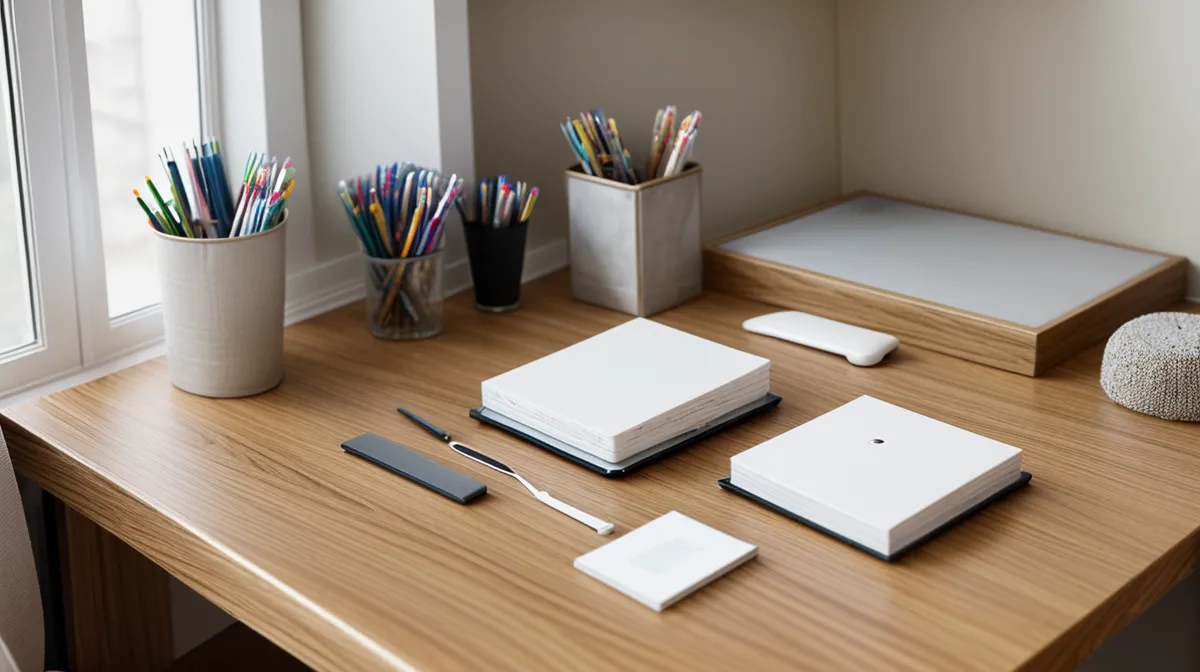
A chair that gives a little when you sit down is doing its job. A chair that needs a lumbar pillow wedged behind your spine — the kind that goes flat within weeks anyway — is quietly telling you it already failed. Early in my remote-work years I propped up dying chairs like that more times than I want to admit, before finally putting money into real ergonomic seating instead of another home-office patch job. What follows is the actual breakdown of the Steelcase Think, the chair that ended that particular habit — not a diary entry about my back, just what the dial, the cylinder, and the fabric actually do.
Quick note on how I got here: I bought the Steelcase Think with my own freelance income, after months of half-fixing cheaper chairs instead of just replacing the thing outright. Nobody paid me to like it, and the affiliate link above just means I earn a small cut if you end up buying one — the opinions are mine, tested from a chair I sit in every single workday.
Somewhere in the process I read enough about ergonomics to be mildly insufferable at dinner parties, and I already knew how to pick storage for hiding living room clutter — picking the thing I sit in for eight hours a day was the piece I'd been getting wrong.
Ergonomic Seating: What Actually Failed Before the Think
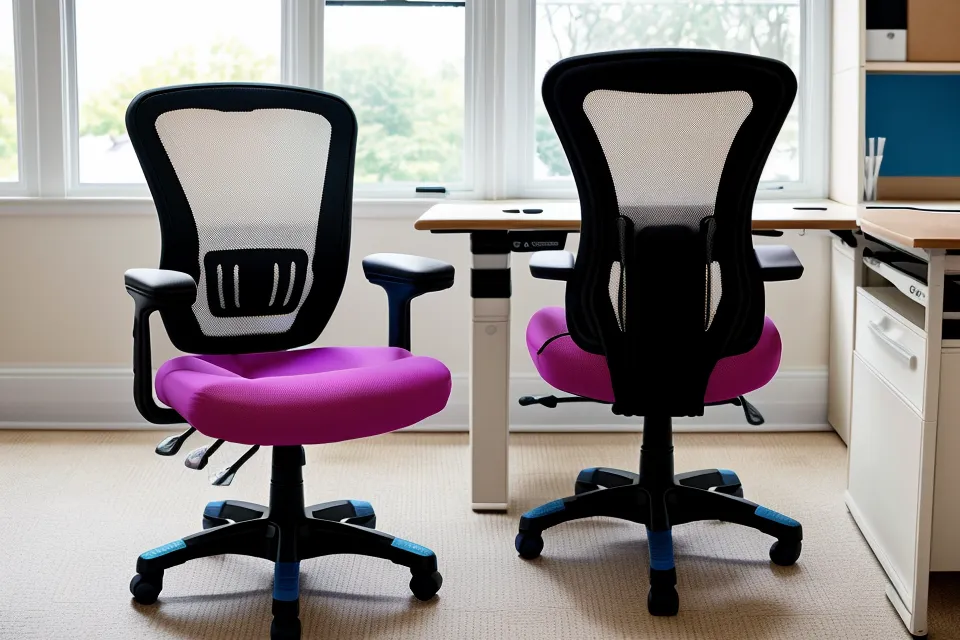
Before the Think, my home office cycled through the same 'good enough' chair every year or so: plush-looking at a big-box store, fine for about three weeks, and then the pneumatic cylinder starts to hiss and the 'bonded leather' peels like a bad sunburn. I went through that cycle enough times that I could've bought the Think outright the first round instead of feeding money into the landfill piecemeal. A friend of mine, Omari — a fellow freelancer — has a habit of sending unboxing videos at eleven at night with zero warning. He sent one of his own Think a while back, and it didn't look like a miracle. It looked like a chair that just doesn't fall apart, which turns out to be the whole pitch.
The mesh alternative I almost bought instead was the Steelcase Karman, mostly for the airflow, but the Think won out on reputation as the more 'self-adjusting' option — less fiddling with levers every time I shifted my weight. That reputation comes with a real price jump over something like the Branch chair, which is a genuinely solid value pick and covers most of the adjustments people actually use day to day. Where the two split is the warranty: twelve years on the Think versus seven on the Branch, and that gap is really the whole durability-versus-price argument in one number — you're paying more upfront to not be shopping again in a few years.
The LiveBack Mechanism Moves With You, Not Against You
Steelcase calls this LiveBack, and mechanically it means the backrest is a system of flexors, not one rigid shell — it changes shape as you lean forward or sink back, instead of forcing your spine to match a fixed curve. That's a different approach to lumbar support than a foam pad stapled to a frame, though the full rundown on how lumbar support actually works is really its own topic. What it means day to day: I lean into a spreadsheet, sit back for a call, tuck one leg under me when I forget not to, and the backrest keeps adjusting instead of leaving my shoulders to do the work.
None of that replaces medical advice, and if shoulder or neck pain is a recurring problem for you, that's a conversation for a physician or physical therapist, not a furniture review. For the shoulder-and-neck-pain angle specifically, there's a separate generic guide for shoulder and neck pain — this piece stays focused on the Think itself.
Before you sit down for the first time: the base has real give to it, more than a rigid budget chair, and that can feel like something's wrong. It isn't. That slight bounce is absorbing impact on the way down, not leaking air — a distinction that saves you a confusing call to customer service.
Is the Recline Dial Worth Learning?
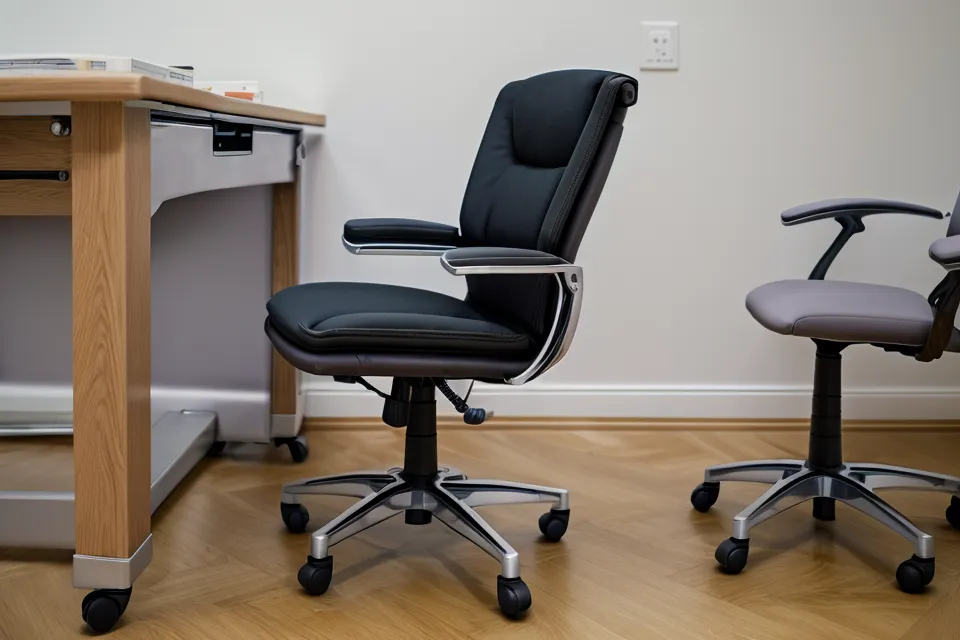
Here's the part nobody mentions in the marketing copy: the Think comes with a side dial with four settings — weight-activated recline, weight-activated with extra resistance, a mid-stop lock, and a fully upright lock — and it does nothing for you until you actually use it. Leave it on the default and the chair feels either too loose or oddly stiff, and you'll blame the chair instead of the dial.

Compared to the Branch, which has a simpler and frankly clunkier lumbar adjustment, the Think's dial gives you more granular control once you find your setting. It's also a looser fit than a Herman Miller Aeron, which tends to push you into a 'correct' posture whether you like it or not — the Think is more of a collaborator than a corrector. That's the actual tradeoff: more control, more setup time, and a chair that rewards reading the manual instead of just sitting down and hoping.
Weight Capacity, Fabric, and the Things I Won't Skip
Weight capacity is the first thing a subreddit commenter I follow, Renwick, will call out if a review skips it — and he's right to, because it tells you more about long-term durability than almost any other spec. The Think holds up to 400 lbs without creaking or wobbling, even when my kid uses the armrests as a jungle gym, and those armrests slide inward with a mechanical click and actually stay where you put them — a small thing, but armrest configuration matters more than people expect once you're typing for hours at a stretch.
Fabric is the other tradeoff: it's comfortable and comes in far more colors than a mesh chair, but it runs warmer, and you'll notice it in a room with poor airflow. Seat depth isn't adjustable on this model either, unlike some pricier competitors, so if your legs are unusually short or long, that's worth checking before you buy rather than after. None of this replaces getting your monitor at the right eye level, either — my own screen still catches afternoon glare through the window on this side of the house unless I remember to angle the blinds, chair or no chair.
Steelcase Think vs. Aeron vs. Branch: The Home-Office-Setup Tradeoffs
Stack the three side by side and the picture gets clearer. The Herman Miller Aeron is still the gold standard for staying cool over a long summer, though the hard plastic seat-pan edge isn't kind if you like sitting cross-legged, and sizing matters more than people assume — it's worth checking the sizing guide first, since fit-to-body matters as much as the mechanism itself. The Branch covers the basics well and looks the part in a photo, but the lumbar adjustment feels clunky next to the Think's fluid recline. The Think itself lands in the middle: not as breathable as mesh, not as budget-friendly as Branch, but the most 'forget about it and just work' of the three.
Outfitting the rest of the room is its own decision entirely. A Design Within Reach piece might make sense for the aesthetic if budget allows, and a Lovesac Sactional works for the breakout corner of an office since its modular pieces reconfigure when the room's job changes — a different kind of long-term flexibility than anything a chair offers. If chronic lower-back pain is the actual issue rather than general fatigue, the Herman Miller Embody is worth a look too, at a noticeably higher price tier, though that's a conversation to have with a doctor or physical therapist first, not a chair review.
Who Should Actually Buy the Steelcase Think

These days, logging off on a Friday doesn't come with the shoulder-rolling routine it used to — I genuinely can't tell you when it last bothered me, which is a strange thing to notice about a chair. Persistent back or neck pain is still a conversation for a physician or physical therapist, not a review site, but the mechanical half of the problem is the part this one actually solved.
For the specific combination this site cares about — remote workers logging real hours at a desk, plus a household with kids or pets in the mix — the Think earns its price tag by simply not needing to be replaced or babied every year. It won't win a beauty contest against something more 'space-age,' and if maximum airflow is non-negotiable for your setup, the Herman Miller Aeron is still the better call. But for a chair you adjust once and mostly forget about, backed by a 12-year warranty, the Steelcase Think is the one I'd point a fellow freelancer toward.